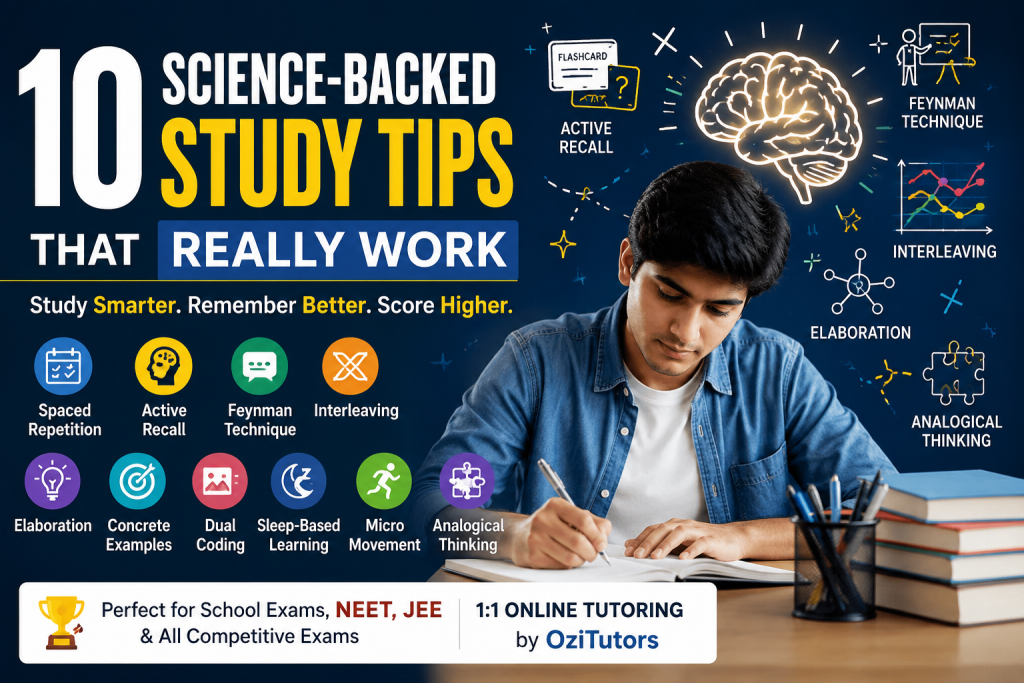
Let me save you some time. Most study methods are a total waste of your energy. Rereading? Highlighting? Science says skip. Here are 10 real techniques that actually train your brain to remember. No fluff.
6 min read
These science-backed study tips can help students improve memory, focus, revision, and exam preparation. From active recall to spaced repetition, these simple learning techniques are useful for school exams, NEET, JEE, competitive exams, and everyday learning with the support of 1:1 online tutoring.
01 Spaced Repetition

Stop cramming. Use apps like RemNote or even a simple calendar. Review new facts right when you are about to forget them. This helps students build long-term memory instead of depending on last-minute revision before exams.
02 Active Recall
Close your book. Force your brain to pull the answer out of thin air. Flashcards are your best friend here. Struggle a little. That struggle builds memory and makes revision more powerful for school exams, NEET, JEE, and competitive exams.
03 The Feynman Trick

Explain what you learned like you are talking to a curious kid. Use simple words. If you cannot say it simply, you do not understand it yet. This method is useful when students need to simplify difficult concepts in Physics, Chemistry, Biology, Mathematics, or any other subject.
04 Interleaving
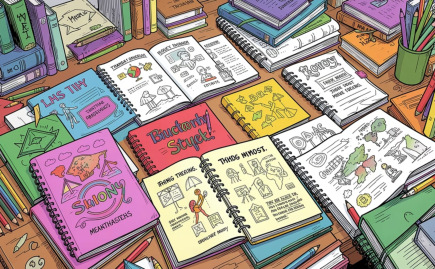
Avoid studying one topic for hours. Mix subjects like math, history, and coding so the brain builds stronger connections. Interleaving helps students become more flexible in problem-solving, especially during competitive exam preparation.
05 Elaboration

Keep asking why. Link every new idea to your life, a story, or a real decision so the learning becomes meaningful. The more connections students create, the easier it becomes to remember and apply concepts later.
06 Concrete Examples

Turn abstract concepts into real situations. For supply and demand, think of concert tickets selling out fast. Concrete examples help students understand difficult topics faster and remember them during tests.
07 Dual Coding
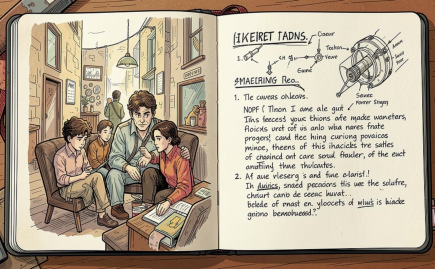
Pair words with a sketch, meme, or diagram. Visual and verbal cues together create stronger recall paths. This is useful for students who learn better through diagrams, charts, formulas, and visual explanations.
08 Sleep-Based Learning

Study before bed and let sleep consolidate the learning. Even short naps can support memory replay. Good sleep helps students stay focused, remember better, and avoid burnout during exam preparation.
09 Micro Movement

Take a five-minute walk or do ten jumping jacks before studying. Light movement wakes up focus without needing a gym. This small habit can help students begin study sessions with more energy and attention.
10 Analogical Thinking
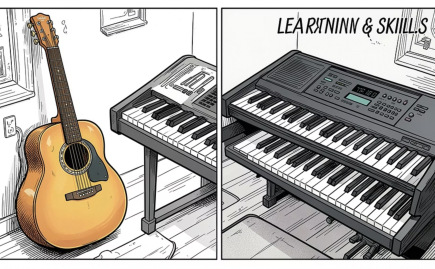
Compare a new skill with something familiar. Learning guitar can feel like learning to type, but for your fingers. Analogies make new topics easier because the brain connects them with something it already understands.
Low pressure learning:
Do not aim for perfect.
Aim for five minutes of active recall today. That is how real progress starts.
Build Better Study Habits with OziTutors
Good learning does not always come from studying longer. It comes from using the right study methods consistently. Techniques like active recall, spaced repetition, dual coding, and low pressure learning can help students improve memory, focus, confidence, and exam preparation over time.
OziTutors supports students with personalised 1:1 online tutoring for school subjects, homework help, concept clarity, and exam preparation. Whether a student is preparing for NEET, JEE, board exams, or other competitive exams, the right tutor can help create a structured learning plan and make difficult topics easier to understand.
1:1 Online Tutoring for NEET, JEE, and Competitive Exams
NEET, JEE, and competitive exams require clear concepts, regular practice, smart revision, and strong problem-solving skills. Students often need more than generic study material. They need focused guidance, doubt-solving, and personal attention based on their learning pace.
With OziTutors, students can learn through 1:1 online tutoring sessions designed around their goals. Tutors can support students in Physics, Chemistry, Biology, Mathematics, English, and other academic subjects while helping them build better study habits using science-backed learning techniques.
When students combine expert tutoring with methods like active recall, spaced repetition, and simple revision planning, they can study smarter, reduce stress, and move towards better academic outcomes with more confidence.